

What the brushes were doing
Every cordless tool has an electric motor, and until recently they all worked the same way. A traditional brushed motor uses small carbon blocks — the “brushes” — that physically press against the spinning part of the motor to deliver power to it. They work, they’re cheap, and they’ve run power tools for decades.
The problem is friction. Those carbon brushes are rubbing against a moving part the whole time the tool runs. That rubbing does three things you’d rather it didn’t: it wastes energy as heat, it slowly wears the brushes down until they need replacing, and it limits how much power the motor can deliver.
What brushless changes
A brushless motor does away with the carbon brushes entirely. Instead of physical contact, it uses electronics and a small circuit board to control the motor and switch the power at exactly the right moments. No brushes rubbing means no friction losses, nothing wearing out, and much finer control over the motor.
That’s the whole idea. Everything good about brushless flows from removing that point of friction.
What you get for the money
Four benefits, in the order most people notice them:
More runtime per charge. Because a brushless motor isn’t wasting energy as heat in the brushes, more of the battery goes into doing work. The same battery runs longer. On a tool that works flat-out — a blower, a saw, a grinder — this is the difference you’ll feel first.
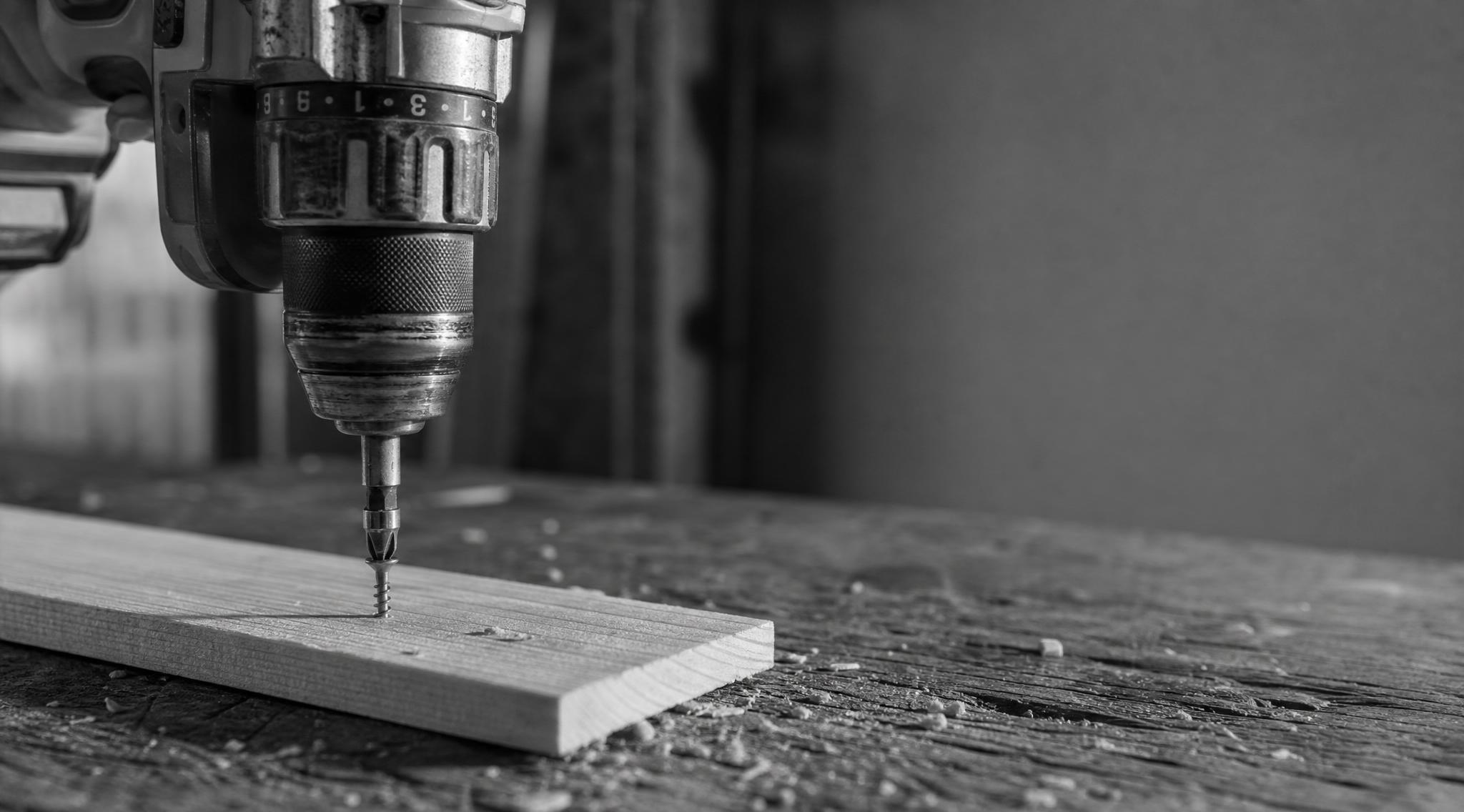
More power, and power that holds under load. Brushless motors deliver more torque for their size, and the electronics let them hold their speed when the work gets hard, instead of bogging down. A brushless drill driving a long screw into hardwood keeps its grunt where a brushed one starts to labour.
Longer life. There are no brushes to wear out and replace. A brushless tool, looked after, lasts longer.
Smaller and lighter. Because they’re more efficient, brushless motors can be more compact for the same power, which is why the newest tools are noticeably smaller and lighter than the ones they replaced.
When it’s worth paying for
Now the catch, because not every tool needs it.
Worth it: any tool you’ll use regularly, anything that works hard (saws, grinders, blowers, impact drivers), and anything where runtime matters because you’re away from a charger. If you’re building into a platform you’ll own for a decade, brushless is the better long-term buy — it’ll outlast the brushed equivalent and annoy you less along the way.
Not always worth it: a tool that comes out a few times a year for light jobs. A brushed driver that hangs in the cupboard between flat-pack assemblies will do that job perfectly well for years, and the brushless premium is money spent on capability you won’t use. There’s no shame in buying brushed for a tool that lives an easy life.
The short version
Brushless is real, and it’s better — more runtime, more power, longer life, smaller package — because it removes the friction that brushed motors live with. Pay for it on the tools you’ll lean on, and don’t lose sleep over skipping it on the ones you won’t. The badge is worth something; it’s just not worth the same on every tool.
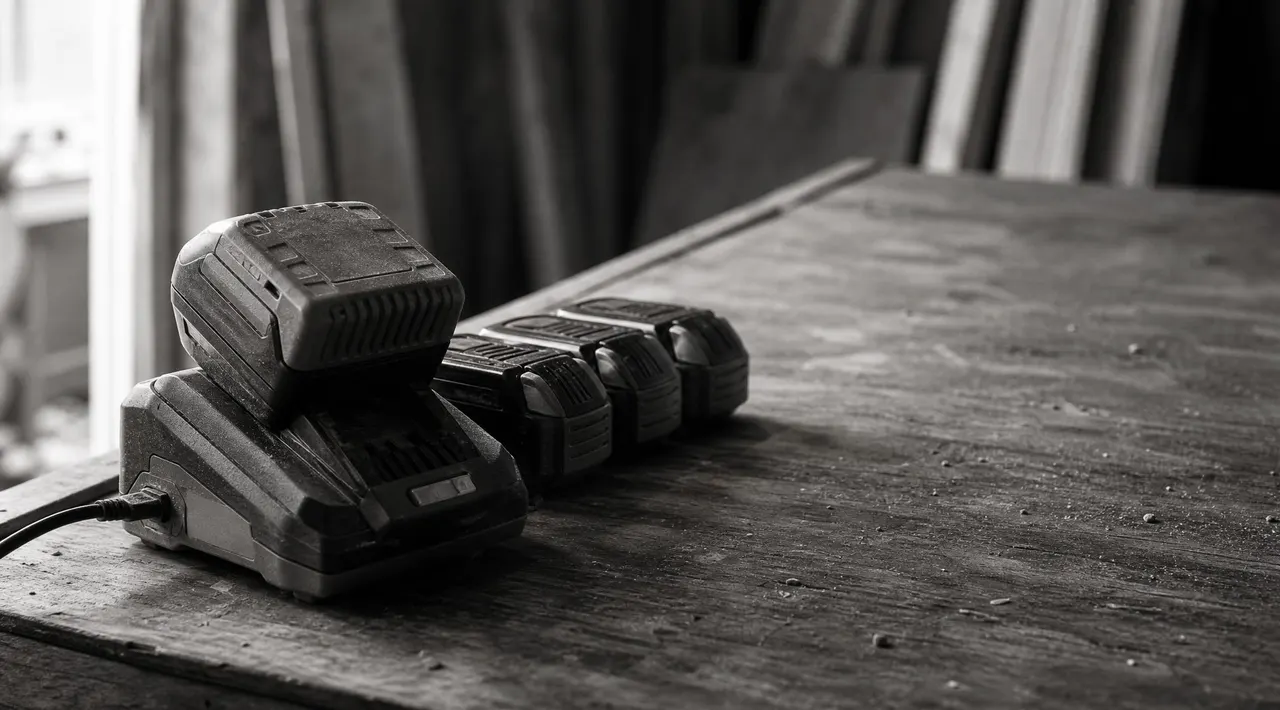
One thing the motor type doesn’t change: the battery on the end of it is a lithium-ion pack, and those deserve respect. Charge it on a hard, non-flammable surface, don’t leave it cooking in a hot car or charging unattended overnight, and never run a clone battery in a brand-name tool. The ACCC’s lithium-ion battery safety guide is worth two minutes — a tool battery that’s been dropped, swollen or charged on a clone charger is the one that starts fires.