

What you get for the money
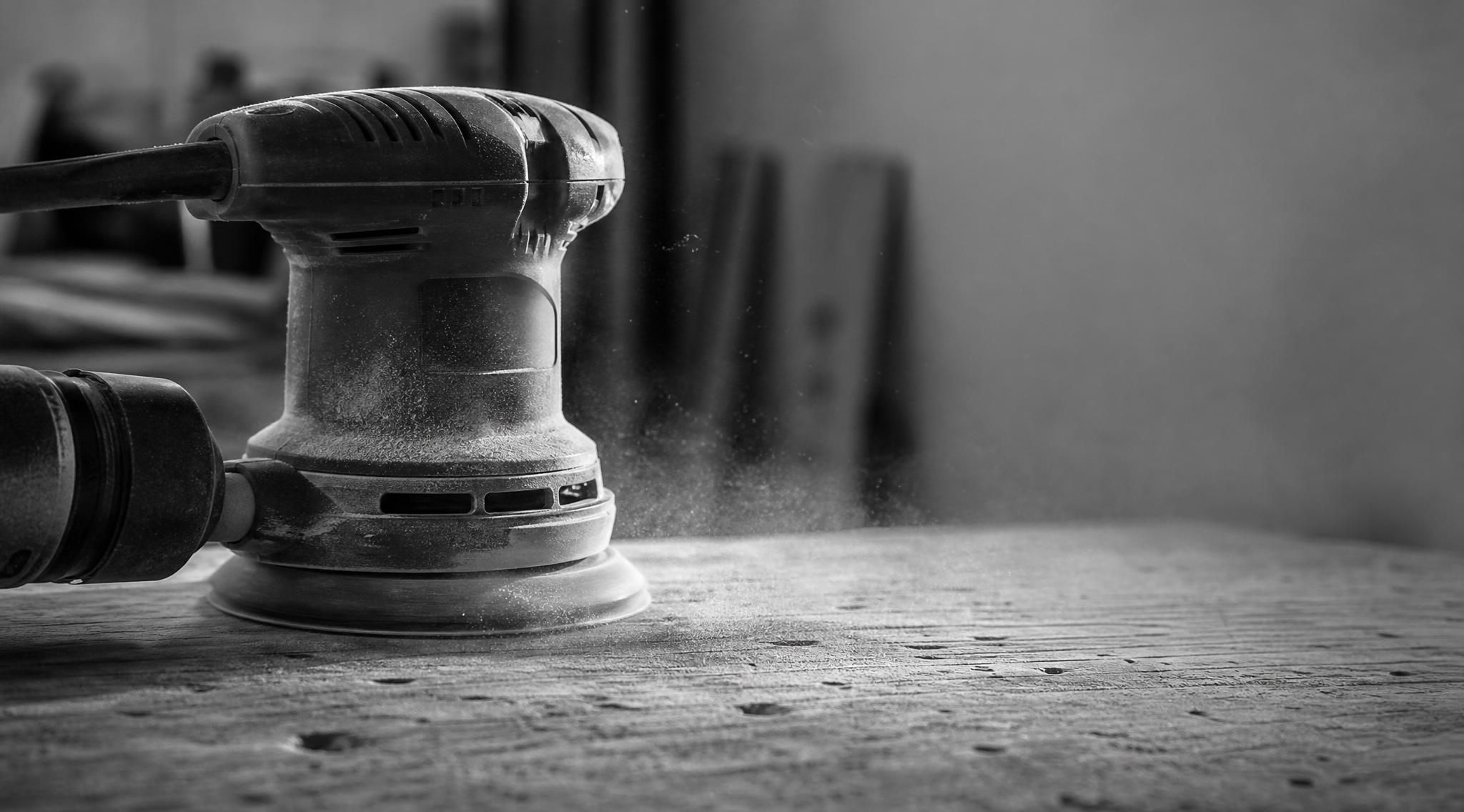
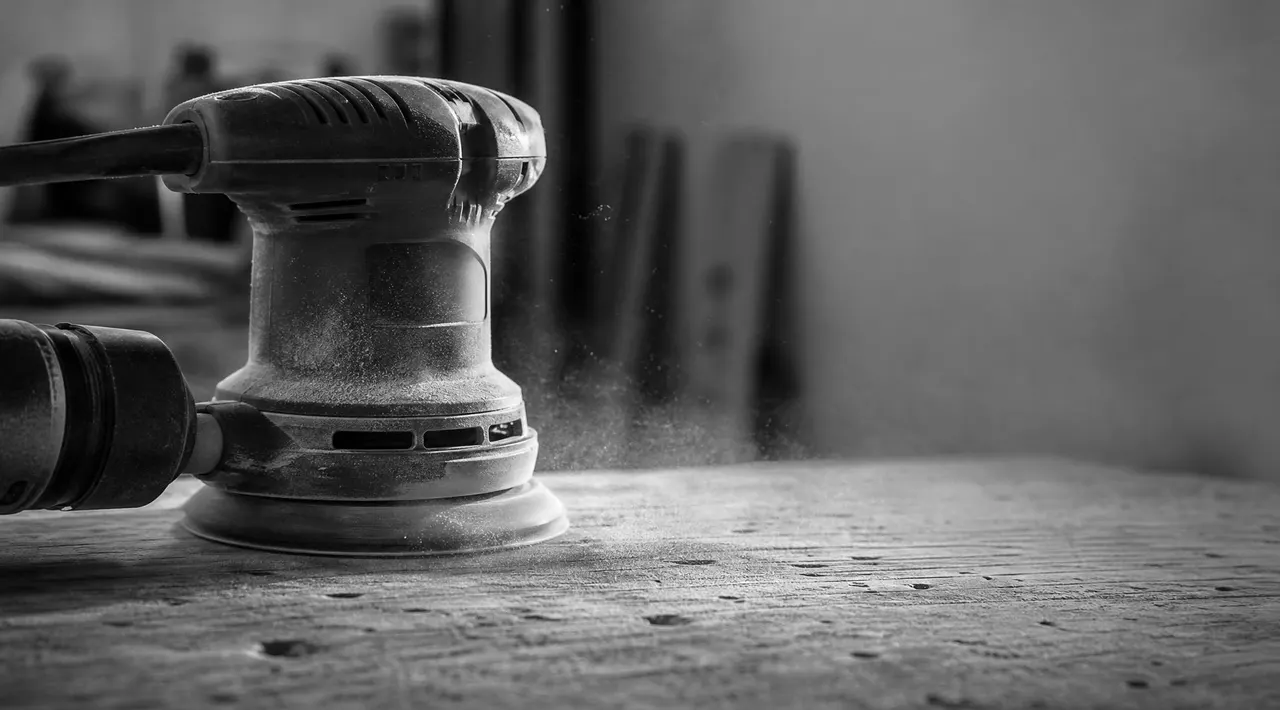
This is about the cheapest way into a cordless random orbital sander, and for a lot of weekend jobs that’s all the sander you need. The EasyOrbit takes a standard 125mm hook-and-loop pad — the discs grip on like Velcro and pull off in a second — and that 125mm size is on every shelf, so you’re never hunting an odd fitting for it.
It comes as a skin, which means the bare tool with no battery or charger, and Bosch throws in one sheet of sandpaper to get you started. The catch with the skin price is the bit that isn’t in the box, and I’ll get to that, because it’s the whole story with this one.
How well does it sand?
It’s a finisher, and a tidy one. The orbit — how wide each little circle is — measures 2mm, which sits on the gentle end. A bigger orbit chews material off faster and leaves a rougher surface behind; this smaller one works slower and leaves a cleaner finish, so it’s built for smoothing and prepping rather than hogging a heap of timber off a rough board. Knock the edges off a deck board, take a door back before painting, smooth the filler on a patched wall — that’s the work it’s for.
The spec sheet lists one speed, 23,000 orbits a minute, with no dial to wind it back. For finishing work you rarely want a slower speed, so the missing dial isn’t a big loss on most jobs — though it helps on thin veneer and soft plastics, and you don’t get the option here. If you’re stripping paint off a whole fence or flattening a benchtop, you want something with more orbit and more grunt behind it. For everything short of that, it does the job without fuss.
What’s it like to use?
Light. At 0.90kg without a battery it’s one of the easier sanders to hold up against a wall or work overhead with, and your forearm thanks you on anything that drags on. The body sits low to the pad, so the pressure goes where you’re pushing rather than tipping the tool, and that makes it easier to keep flat and avoid digging a dished patch into the timber.
The part that does more than the price suggests is the dust box. It’s a little plastic bin with a microfilter that clips on the back and catches the sanding dust through the holes in the pad, so you’re not breathing a cloud of it or coating the shed in fines. It fills quickly and it’ll never match a vacuum hose for pulling dust away, but for a quick job it means you can skip dragging the vac out. Sanding dust is rotten stuff to have hanging in the air, so anything that keeps it down earns its place.
Which battery does it run on?
Here’s the bit that decides it for most people. The EasyOrbit runs on Bosch’s Power for All system — the green DIY batteries, shared across Bosch’s home range and a few partner brands. If you already own a Power for All battery, the skin price is the whole price, and this is a cracking buy. If you don’t, you’re adding a battery and a charger on top, and that changes the maths.
Most sheds I know aren’t on Power for All. If you’ve already committed to Ryobi, Makita or Milwaukee, the smart money usually goes on a sander that takes the packs you already own, even if the tool itself costs a bit more, because a second platform means a second charger, a second set of batteries and a second thing to keep on charge. Buying into a new battery system for one sander is a real cost to weigh up, and it’s the first thing to think about before the tool itself.
How’s the warranty?
Better than the price suggests. Bosch covers the green tools for two years, and you can stretch that to three years by registering the tool with MyBosch within four weeks of buying it. The extra year covers the tool only — batteries, chargers and accessories stay on the standard term. Keep your receipt and do the registration the week you buy it, because four weeks slips past fast and there’s no going back for it later. Under Australian Consumer Law you may be covered for a faulty tool regardless, but the registration is free and worth the five minutes.
Should you buy it?
If you’re already on Power for All, or you’re starting from scratch and happy to plant your flag there, this is an easy one to recommend for finishing work — light, low on dust, cheap, and backed for three years if you register it. The 7.4 is me being straight about the limits: the single speed, the small orbit and the modest runtime mean it smooths and preps rather than strips and hogs, and the platform is the sticking point for anyone already loyal to another battery. Match it to those jobs and that shed and you’ll be happy with it. Where it falls down is flattening a benchtop or slotting into a Ryobi household — there, the money’s better spent elsewhere.
Specifications
- Voltage
- 18V (Bosch Power for All)
- Sanding pad
- 125mm hook-and-loop
- Orbit diameter
- 2mm (fine finish)
- Speed
- 23,000 opm (orbits per minute), single speed
- Dust
- Microfilter dust box (onboard)
- Weight
- 0.90kg (skin, no battery)
- Sold as
- Skin only — includes one K80 sheet